The International Literary Quarterly
Contributors

Shanta Acharya
Marjorie Agosín
Donald Adamson
Nausheen Ahmad
Toheed Ahmad
Amanda Aizpuriete
Baba Akote
Elisa Albo
Daniel Albright
Meena Alexander
Rosetta Allan
María Teresa Andruetto
Claudia Apablaza
Robert Appelbaum
Jenny Argante
Sandra Arnold
C.J.K. Arkell
Agnar Artúvertin
Sarah Arvio
Rosemary Ashton
Mammed Aslan
Coral Atkinson
Rose Ausländer
Shushan Avagyan
Razif Bahari
Jo Baker
Ismail Bala
Evgeny Baratynsky
Saule Abdrakhman-kyzy Batay
William Bedford
Gillian Beer
Richard Berengarten
Charles Bernstein
Ilya Bernstein
Sujata Bhatt
Amy Bloom
Mary Blum Devor
Michael Blumenthal
Jean Boase-Beier
Jorge Luis Borges
Julia Brannigan
Theo Breuer
Iain Britton
Françoise Brodsky
Amy Brown
Bernard Brown
Diane Brown
Gay Buckingham
Carmen Bugan
Stephen Burt
Zarah Butcher McGunnigle
James Byrne
Kevin Cadwallander
Howard Camner
Mary Caponegro
Marisa Cappetta
Helena Cardoso
Adrian Castro
Luis Cernuda
Firat Cewerî
Neil Charleton
Janet Charman
Sampurna Chattarji
Amit Chaudhuri
Mèlissa Chiasson
Ronald Christ
Sally Cline
Marcelo Cohen
Lila Cona
Eugenio Conchez
Andrew Cowan
Mary Creswell
Christine Crow
Majella Cullinane
P. Scott Cunningham
Emma Currie
Jeni Curtis
Stephen Cushman
David Dabydeen
Susan Daitch
Rubén Dario
Denys Johnson Davies
Lydia Davis
Robert Davreu
David Dawnay
Jill Dawson
Rosalía de Castro
Joanne Rocky Delaplaine
Patricia Delmar
Christine De Luca
Tumusiime Kabwende Deo
Paul Scott Derrick
Belinda Diepenheim
Jenny Diski
Rita Dove
Arkadii Dragomoschenko
Paulette Dubé
Denise Duhamel
Jonathan Dunne
Jorge Edwards
David Eggleton
Mohamed El-Bisatie
Tsvetanka Elenkova
Johanna Emeney
Ernest Farrés
Elaine Feinstein
Gigi Fenster
Micah Timona Ferris
Vasil Filipov
Maria Filippakopoulou
Ruth Fogelman
Peter France
Bashabi Fraser
Janis Freegard
Robin Fry
Alice Fulton
Ulrich Gabriel
Manana Gelashvili
Laurice Gilbert
Paul Giles
Zulfikar Ghose
Corey Ginsberg
Sarah Glazer
Michael Glover
George Gömöri
Martin Goodman
Roberta Gordenstein
Mina Gorji
Maria Grech Ganado
David Gregory
Carla Guelfenbein
Daniel Gunn
Charles Hadfield
Tomás Harris
Geoffrey Hartman
Siobhan Harvey
Beatriz Hausner
John Haynes
Jennifer Hearn
Helen Heath
W.N. Herbert
William Hershaw
Michael Hettich
Hassan Hilmi
Rhisiart Hincks
Kerry Hines
David Howard
Aamer Hussein
Fahmida Hussain
Alexander Hutchison
Sabine Huynh
Juan Kruz Igerabide Sarasola
Jouni Inkala
Ofonime Inyang
Kevin Ireland
Michael Ives
Philippe Jacottet
Robert Alan Jamieson
Rebecca Jany
Andrea Jeftanovic
Ana Jelnikar
Miroslav Jindra
Stephanie Johnson
Bret Anthony Johnston
Marion Jones
Tim Jones
Gabriel Josipovici
Pierre-Albert Jourdan
Sophie Judah
Tomoko Kanda
Maarja Kangro
Jana Kantorová-Báliková
Fawzi Karim
Kapka Kassabova
Susan Kelly-DeWitt
Mimi Khalvati
Velimir Khlebnikov
Akhmad hoji Khorazmiy
David Kinloch
John Kinsella
Tomislav Kuzmanović
Andrea Labinger
Christopher Lane
Jan Lauwereyns
Fernando Lavandeira
Graeme Lay
Ilias Layios
Hiên-Minh Lê
Miriam Levine
Suzanne Jill Levine
Micaela Lewitt
Zhimin Li
Birgit Linder
Parvin Loloi
Christopher Louvet
Helen Lowe
Ana Lucic
Aonghas MacNeacail
Kate Mahony
Sara Maitland
Channah Magori
Vasyl Makhno
Stephanie Mayne
Harvey Molloy
Osip Mandelstam
Olga Markelova
Laura Marney
Geraldine Maxwell
John McAuliffe
Peter McCarey
Richard McKane
John MacKinven
Cilla McQueen
Edie Meidav
Ernst Meister
Lina Meruane
Jesse Millner
Deborah Moggach
Mawatle J. Mojalefa
Jonathan Morley
Andrew Motion
Paola Musa
André Naffis-Sahely
Vivek Narayanan
Bob Natifu
María Negroni
Hernán Neira
Barbra Nightingale
Paschalis Nikolaou
James Norcliffe
Carol Novack
Annakuly Nurmammedov
Joyce Carol Oates
Sunday Enessi Ododo
Obododimma Oha
Michael O'Leary
Wilson Orhiunu
Maris O'Rourke
Sue Orr
Wendy O'Shea-Meddour
María Claudia Otsubo
Ruth Padel
Ron Padgett
Thalia Pandiri
Judith Dell Panny
Hom Paribag
Lawrence Patchett
Ian Patterson
Georges Perros
Pascale Petit
Aleksandar Petrov
Mario Petrucci
Geoffrey Philp
Toni Piccini
Henning Pieterse
Robert Pinsky
Mark Pirie
David Plante
Nicolás Poblete
Sara Poisson
Clare Pollard
Mori Ponsowy
Wena Poon
Orest Popovych
Jem Poster
Begonya Pozo
Pauline Prior-Pitt
Ian Probstein
Kate Pullinger
Zosimo Quibilan, Jr
Vera V. Radojević
Margaret Ranger
Tessa Ransford
Shruti Rao
Irina Ratushinskaya
Tanyo Ravicz
Richard Reeve
Sue Reidy
Joan Retallack
Laura Richardson
Harry Ricketts
Ron Riddell
Cynthia Rimsky
Loreto Riveiro Alvarez
James Robertson
Peter Robertson
Dilys Rose
Gabriel Rosenstock
Jack Ross
Anthony Rudolf
Basant Rungta
Joseph Ryan
Jostein Sæbøe
André Naffis Sahely
Eurig Salisbury
Fiona Sampson
Polly Samson
Priya Sarukkai Chabria
Maree Scarlett
John Schad
Michael Schmidt
L.E. Scott
Alexis Sellas
Hadaa Sendoo
Chris Serio
Resul Shabani
Bina Shah
Yasir Shah
Daniel Shapiro
Tina Shaw
David Shields
Ana María Shua
Christine Simon
Iain Sinclair
Katri Skala
Ian C. Smith
Elizabeth Smither
John Stauffer
Jim Stewart
Susan Stewart
Jesper Svenbro
Virgil Suárez
Lars-Håkan Svensson
Sridala Swami
Rebecca Swift
George Szirtes
Chee-Lay Tan
Tugrul Tanyol
José-Flore Tappy
Campbell Taylor
John Taylor
Judith Taylor
Petar Tchouhov
Miguel Teruel
John Thieme
Karen Thornber
Tim Tomlinson
David Trinidad
Kola Tubosun
Nick Vagnoni
Joost Vandecasteele
Jan van Mersbergen
Latika Vasil
Yassen Vassilev
Lawrence Venuti
Lidia Vianu
Dev Virahsawmy
Anthony Vivis
Richard Von Sturmer
Răzvan Voncu
Nasos Vayenas
Mauricio Wacquez
Alan Wall
Marina Warner
Mia Watkins
Peter Wells
Stanley Wells
Laura Watkinson
Joe Wiinikka-Lydon
Hayden Williams
Edwin Williamson
Stephen Wilson
Alison Wong
Leslie Woodard
Elzbieta Wójcik-Leese
Niel Wright
Xu Xi
Gao Xingjian
Sonja Yelich
Tamar Yoseloff
Augustus Young
Soltobay Zaripbekov
Karen Zelas
Alan Ziegler
Ariel Zinder


President: Peter Robertson
Vice-President: Sari Nusseibeh
Deputy Editor: Neil Langdon Inglis
Advisory Consultant: Jill Dawson
General Editor: Beatriz Hausner
Art Editor: Calum Colvin
Deputy General Editor: Jeff Barry

Consulting Editors
Marjorie Agosín
Daniel Albright
Meena Alexander
Maria Teresa Andruetto
Frank Ankersmit
Rosemary Ashton
Reza Aslan
Leonard Barkan
Michael Barry
Shadi Bartsch
Thomas Bartscherer
Susan Bassnett
Gillian Beer
David Bellos
Richard Berengarten
Charles Bernstein
Sujata Bhatt
Mario Biagioli
Jean Boase-Beier
Elleke Boehmer
Eavan Boland
Stephen Booth
Alain de Botton
Carmen Boullossa
Rachel Bowlby
Svetlana Boym
Peter Brooks
Marina Brownlee
Roberto Brodsky
Carmen Bugan
Jenni Calder
Stanley Cavell
Hollis Clayson
Sarah Churchwell
Kristina Cordero
Drucilla Cornell
Junot Díaz
André Dombrowski
Denis Donoghue
Ariel Dorfman
Rita Dove
Denise Duhamel
Klaus Ebner
Robert Elsie
Stefano Evangelista
Orlando Figes
Tibor Fischer
Shelley Fisher Fishkin
Peter France
Nancy Fraser
Maureen Freely
Michael Fried
Marjorie Garber
Anne Garréta
Marilyn Gaull
Zulfikar Ghose
Paul Giles
Lydia Goehr
Vasco Graça Moura
A. C. Grayling
Stephen Greenblatt
Lavinia Greenlaw
Lawrence Grossberg
Edith Grossman
Elizabeth Grosz
Boris Groys
David Harsent
Benjamin Harshav
Geoffrey Hartman
François Hartog
Molly Haskell
Selina Hastings
Beatriz Hausner
Valerie Henitiuk
Kathryn Hughes
Aamer Hussein
Djelal Kadir
Kapka Kassabova
John Kelly
Martin Kern
Mimi Khalvati
Joseph Koerner
Annette Kolodny
Julia Kristeva
George Landow
Chang-Rae Lee
Mabel Lee
Linda Leith
Suzanne Jill Levine
Lydia Liu
Margot Livesey
Julia Lovell
Willy Maley
Alberto Manguel
Ben Marcus
Paul Mariani
Marina Mayoral
Richard McCabe
Campbell McGrath
Jamie McKendrick
Edie Meidav
Jack Miles
Toril Moi
Susana Moore
Laura Mulvey
Azar Nafisi
Martha Nussbaum
Tim Parks
Clare Pettitt
Caryl Phillips
Robert Pinsky
Elena Poniatowska
Elizabeth Powers
Elizabeth Prettejohn
Martin Puchner
Kate Pullinger
Paula Rabinowitz
Rajeswari Sunder Rajan
James Richardson
François Rigolot
Geoffrey Robertson
Ritchie Robertson
Avital Ronell
Carla Sassi
Michael Scammell
Celeste Schenck
Sudeep Sen
Hadaa Sendoo
Miranda Seymour
Mimi Sheller
Elaine Showalter
Penelope Shuttle
Werner Sollors
Frances Spalding
Gayatri Chakravorty Spivak
Julian Stallabrass
Susan Stewart
Rebecca Stott
Mark Strand
Kathryn Sutherland
John Whittier Treat
David Treuer
David Trinidad
Marjorie Trusted
Lidia Vianu
Victor Vitanza
Marina Warner
David Wellbery
Edwin Williamson
Michael Wood
Theodore Zeldin

Assistant Editor: Sara Besserman
Assistant Editor: Ana de Biase
Assistant Editor: Conor Bracken
Assistant Editor: Eugenio Conchez
Assistant Editor: Patricia Delmar
Assistant Editor: Sophie Lewis
Assistant Editor: Krista Oehlke
Assistant Editor: Siska Rappé
Assistant Editor: Stephanie Smith
Assistant Editor: Robert Toperter
Art Consultant: Verónica Barbatano
Art Consultant: Angie Roytgolz

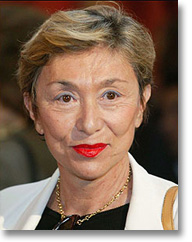
Click to enlarge picture Julia Kristeva

Julia Kristeva was born in Bulgaria in 1942. At the age of 23, she moved to Paris and has lived there ever since. Her original interests were in language and linguistics, and she was influenced by her contemporaries Lucian Goldmann, and Roland Barthes. She also studied Freudian and Lacanian psychoanalysis, and like her mentors, she began to work both as an analyst and an academic. She joined the 'Tel Quel group' in 1965, where she met her future husband, Phillipe Sollers, and became an active member of the group, focusing on the politics of language. The Tel Quel group worked with the notion of history as a text for interpretation and its writing as an act of politicized production rather than an attempt to make an objective reproduction. Kristeva's articles began to appear in publications by Tel Quel and the journal Critique in 1967, and in 1970 she joined the editorial board. Her research in linguistics, including her interest in Lacan's seminars during the same year, manifested in the publication of Le Texte Du Roman (1970), Séméiotiké: Recherches pour une sémanalyse (1969), and subsequently, La Revolution du langage poetique (her doctoral thesis) in 1974. The latter publication led to her accepting of chair of linguistics at the University of Paris, and a series of guest appointments at Columbia University in New York.
 
Kristeva's unique background, a "foreign" woman working in the predominantly male intellectual circles of France, drives the strategies of her work in semiotics and her interest in the politics of marginality. In accordance with her thinking, she produces both fictional and academic texts. Her interest is in discourses that resist rigid and one-dimensional logic and instead engage in an ongoing process of writing the struggle with the impasse of language. She prefers to analyze, to think language against itself, by its fracturing and multiplication of texts, while taking the figure of negativity into account.
 
In addition, Kristeva's experiences in Communist Bulgaria provide her an intimate understanding of Marxism and the work of the Russian Formalists such as Mikhail Bakhtin (whose work she is accredited with introducing to the West). Developing Hegel's concept of negativity in conjunction with these ideas and those of her teachers and peers, she produced an influential critique and following shift from Structuralist to Poststructuralist thought. Her particular focus is a process-oriented reading of the sign.
 
Such a process for Kristeva is concerned with bringing the speaking body back into phenomenology and linguistics. In opposition to theories in structuralist linguistics that she feels are "nothing more than the thoughts of archivists, archaeologists, and necrophiliacs" she develops a new science, "semanalysis," that connects the body, complete with its drives, back into language from where she believes the logic of signification is already present. In this process she elaborates on the Lacanian idea of the mirror stage and the formation of a separation, a lack, from the (m)other that forms signification as a movement from need (demand) into desire. It is an ongoing process of completion through the symbolic castration of the subject. Here, Kristeva is critical of Lacan's overlooking of processes that take place before the mirror stage.
 
Kristeva's elaboration on the model of Lacan involves a distinction between the "semiotic" and "semiotics" as a field of study in linguistics, and a further distinction between two heterogeneous types of signification in language, the semiotic and the symbolic. The semiotic exists within the signifying process, it is a discharge of the drives within language that manifests in the rhythm and tone of the text (and the speech of the subject). It refers to an element in symbolic language that does not signify, the bits of psychic and bodily energies (partial drives) that are less precise but nonetheless "speak" of the phenomena of embodied significations through language and their inherent limits. The symbolic is the rule-governed element of language, grammar and syntax, that makes reference and therefore judgment at all possible, the element of meaning associated with the very forces of grammar and syntax.
 
Kristeva became more interested in psychoanalysis and completed her training in 1979. Her work intensified around the formation of identity and the role abjection and Otherness play in the process. Her writings of the 1980's include transcripts from her practice as an analyst, such as Tales of Love (1983) and Black Sun (1987). Her 1982 publication, Powers of Horror: An Essay in Abjection, describes the pre-mirror stage development of the child's entry into the Law of the father as Lacan theorized. For Kristeva, birth itself is a separation within the body, a violent separation from the body of the mother. In the maternal body, excess gives rise to a separation that is material and maintained by a regulation (regarding availability of the breast) that is prior to the mirror stage. The maternal regulation operates as a law, prefiguring and providing the grounds of paternal Law as the entry of the child into language and society.
 
Kristeva's writings maintain this logic of an oscillation between symbolic identity and semiotic rejection or the experience of difference. Revolution in Poetic Language and Powers of Horror are focused on material maternal rejection, which prefigures signification and sets up the logic of rejection. Tales of Love (trans.1987) and Black Sun: Depression and Melancholy (trans.1989) are focused on primary narcissism, which prefigures all subsequent identity and sets up the logic of repetition. Strangers to Ourselves (1989) and Lettre ouverte ý Harlem Désir (1990) are focused on rejection or difference within identity. In recognition of her contribution to French intellectual culture, she was honored by the French government in 1990 and made a "chevalier de l'ordre des arts et des lettres."